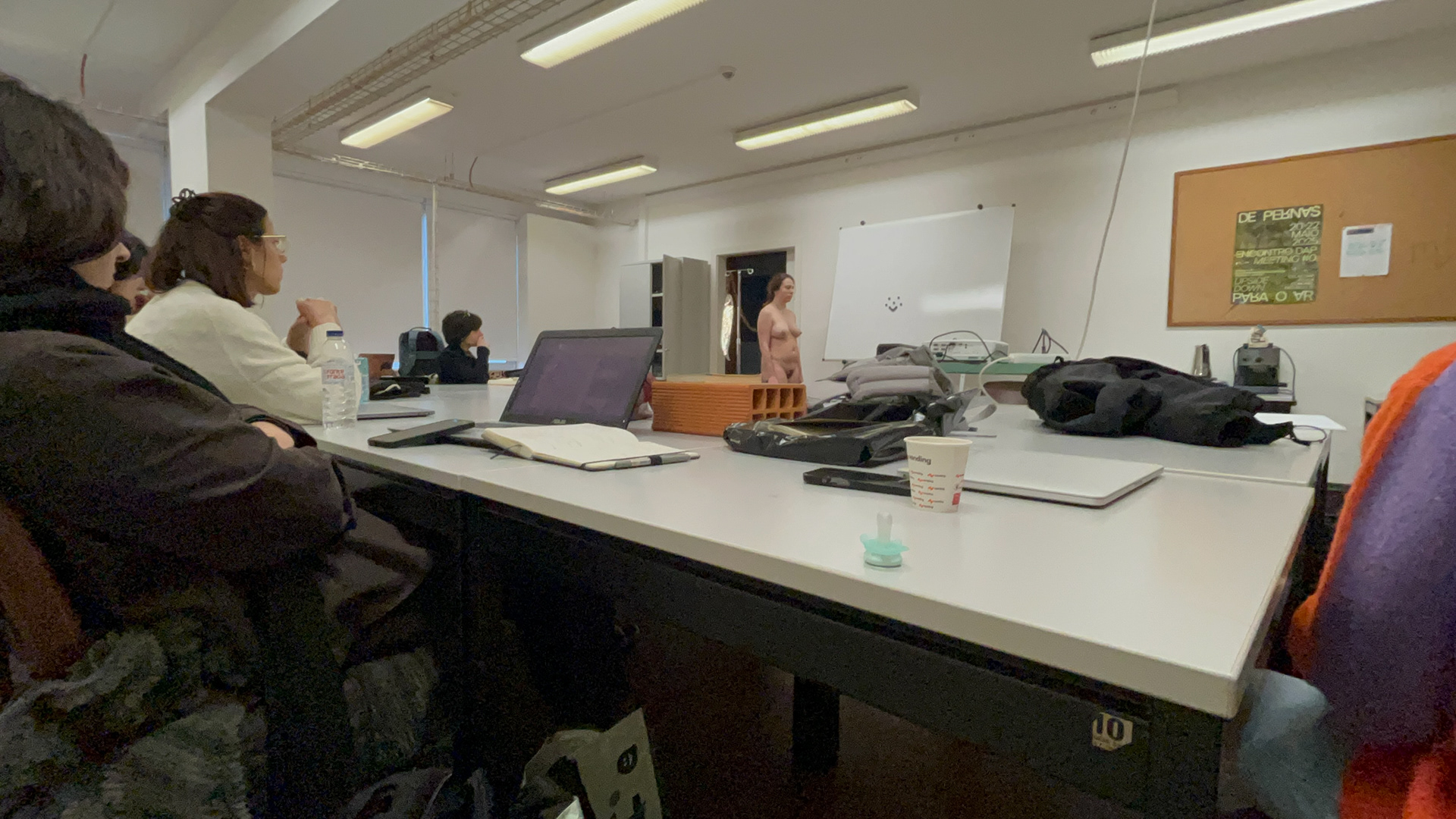
Atlas (or Double) is an ongoing research-based performance developed in collaboration with PhD candidate Nara Rosetto (PDMD/FBAUP). The project addresses the "invisible symptoms" of chronic fatigue and sensory hypersensitivity — conditions often stigmatized or dismissed due to the lack of visible physical markers. It operates within the tension between chrononormativity (standard social time) and crip time (the lived experience of a disabled body).
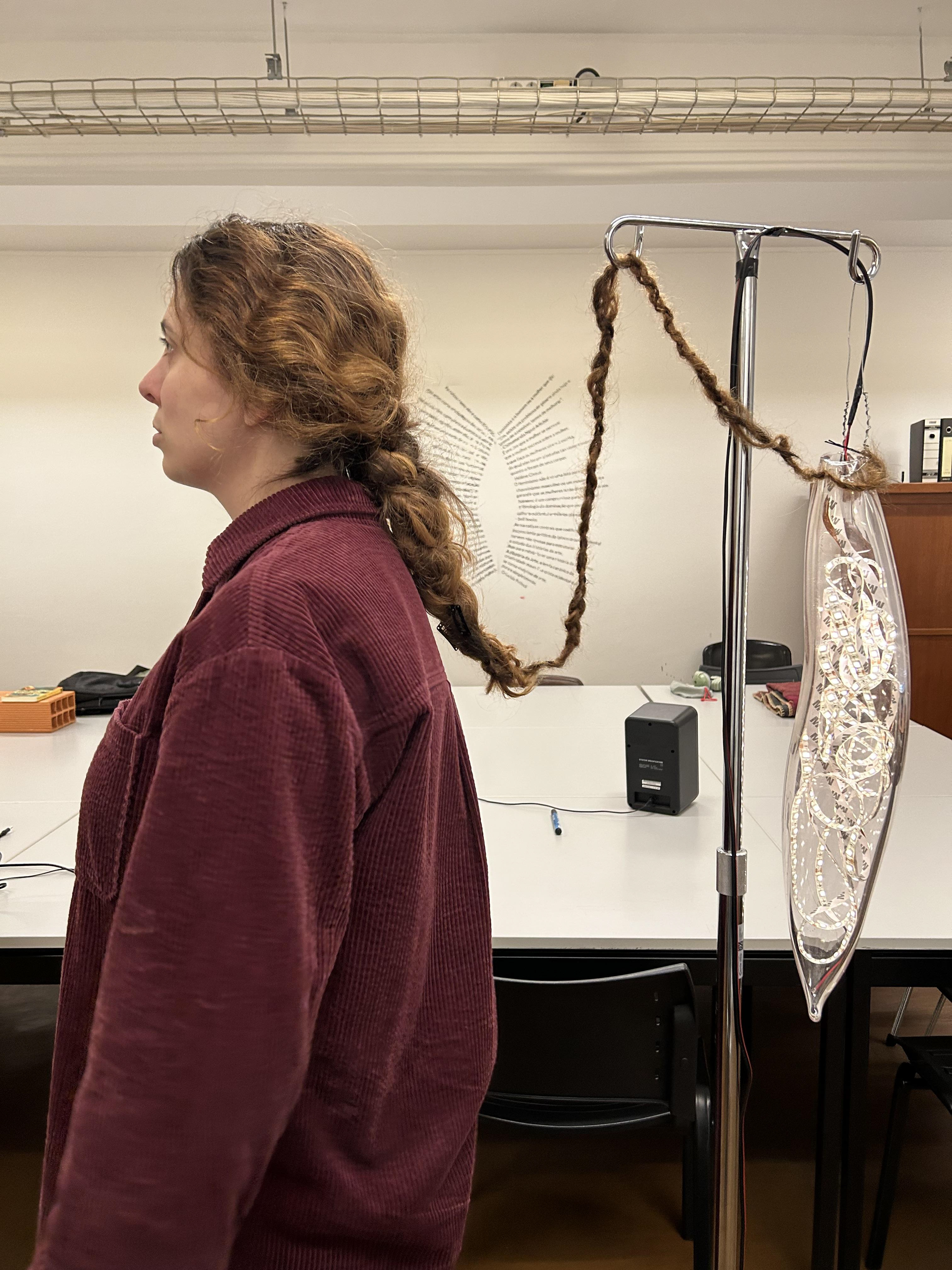
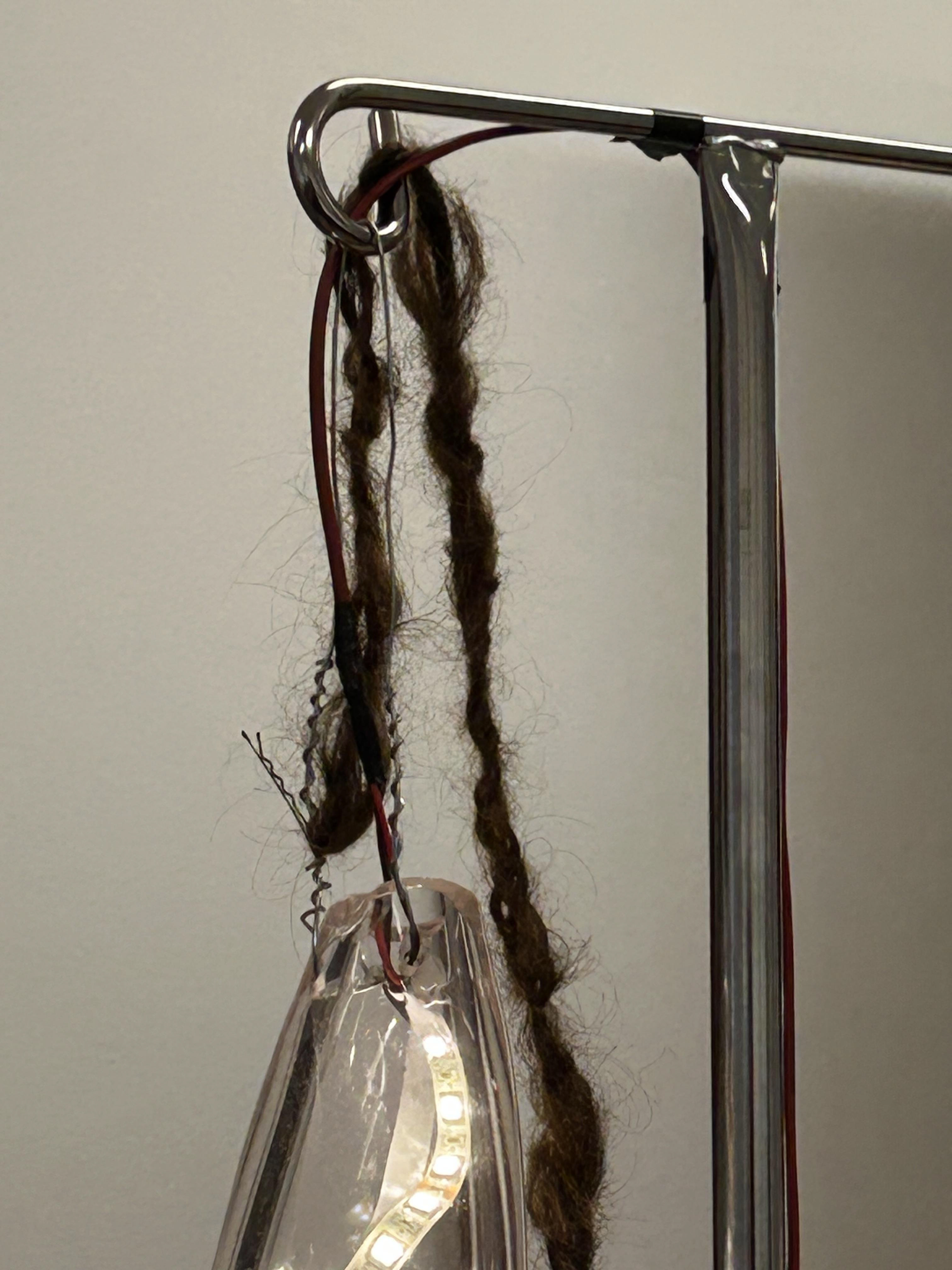
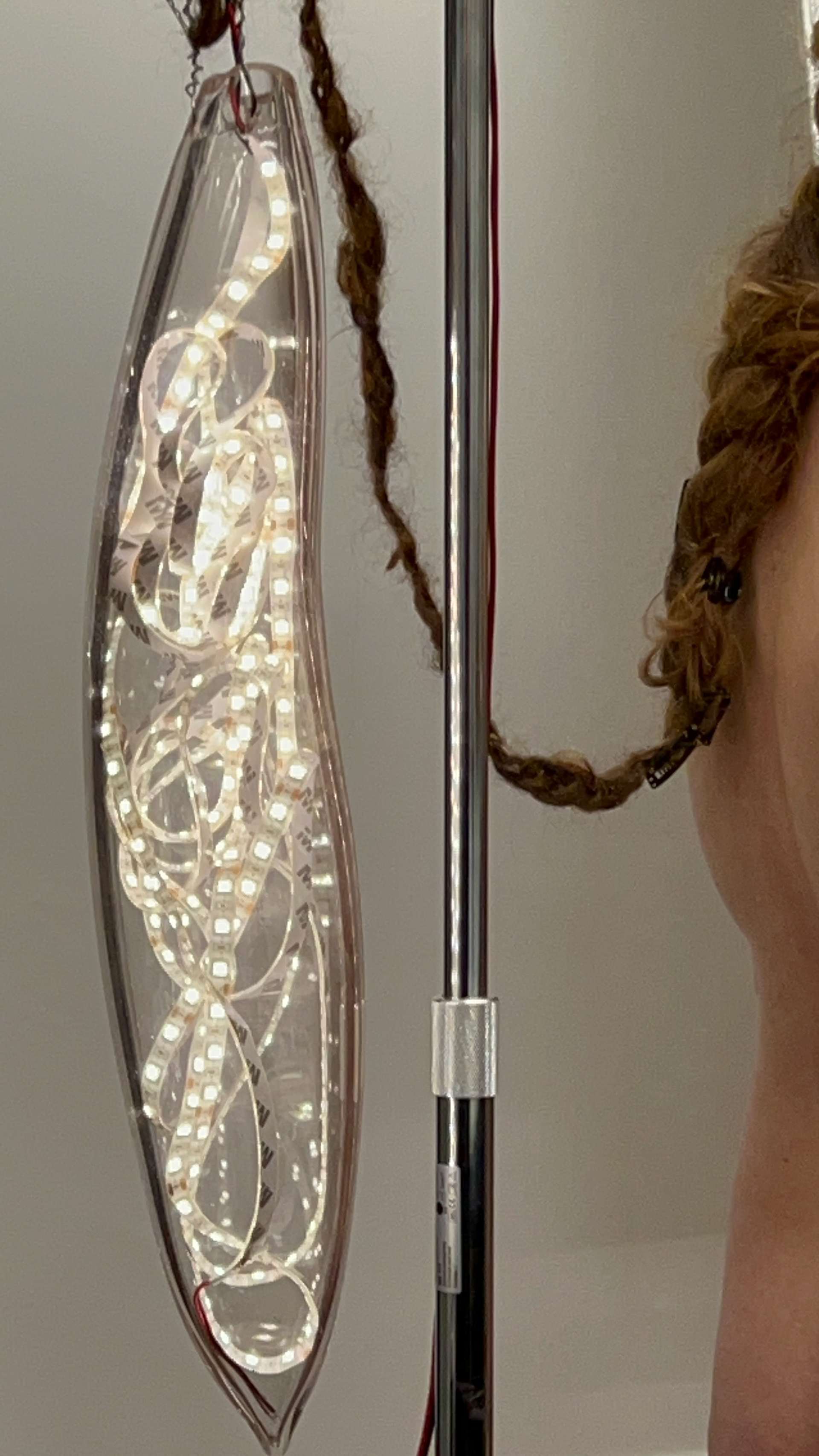
The performance features a "double" of the artist: a glass sculpture molded from a bone scintigraphy of Nara’s own spine, suspended from a hospital IV stand. The two bodies — one of flesh, one of glass — are physically interconnected at the Atlas vertebra (C1) by a braid made of the artist’s own hair.
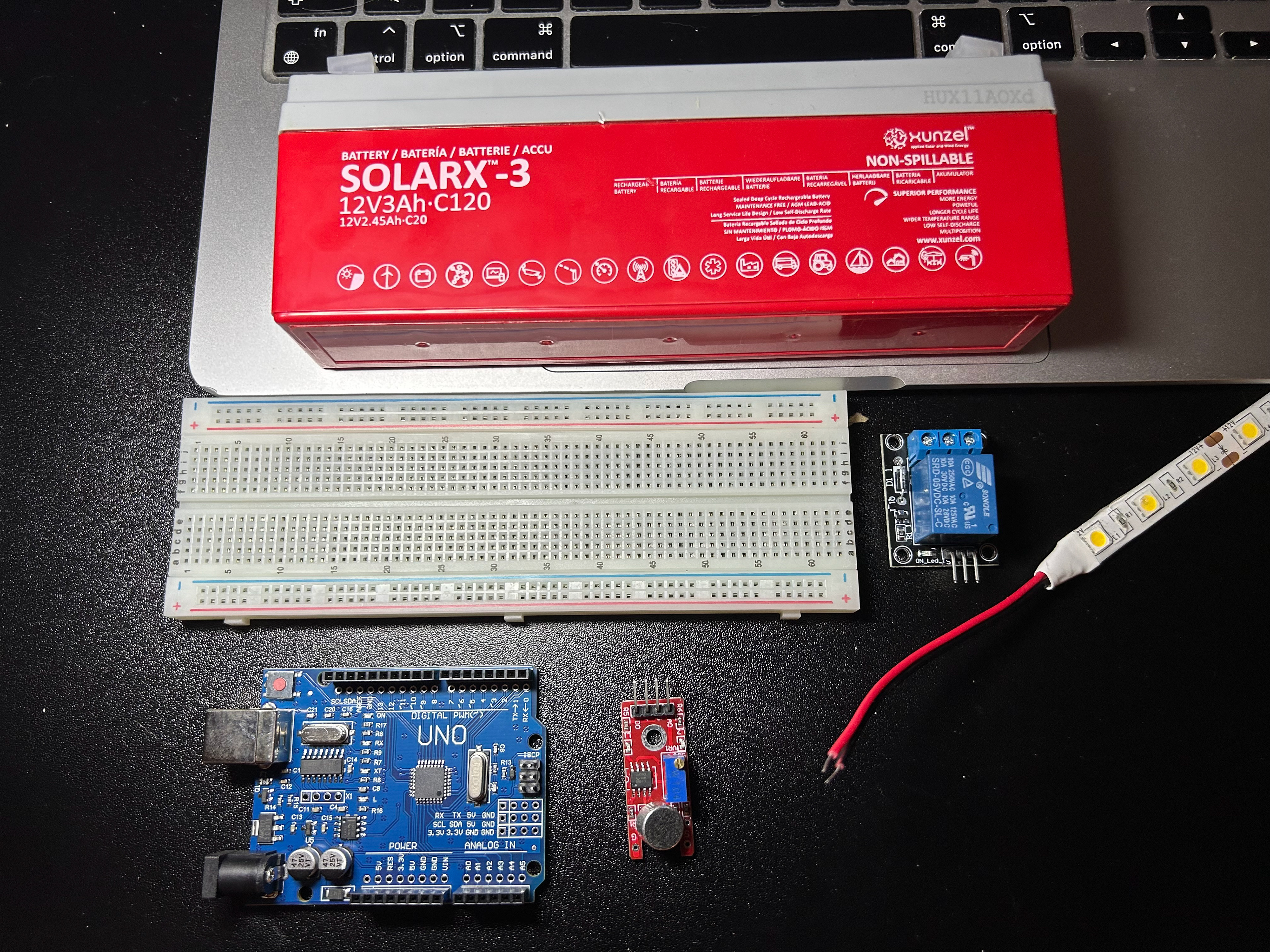
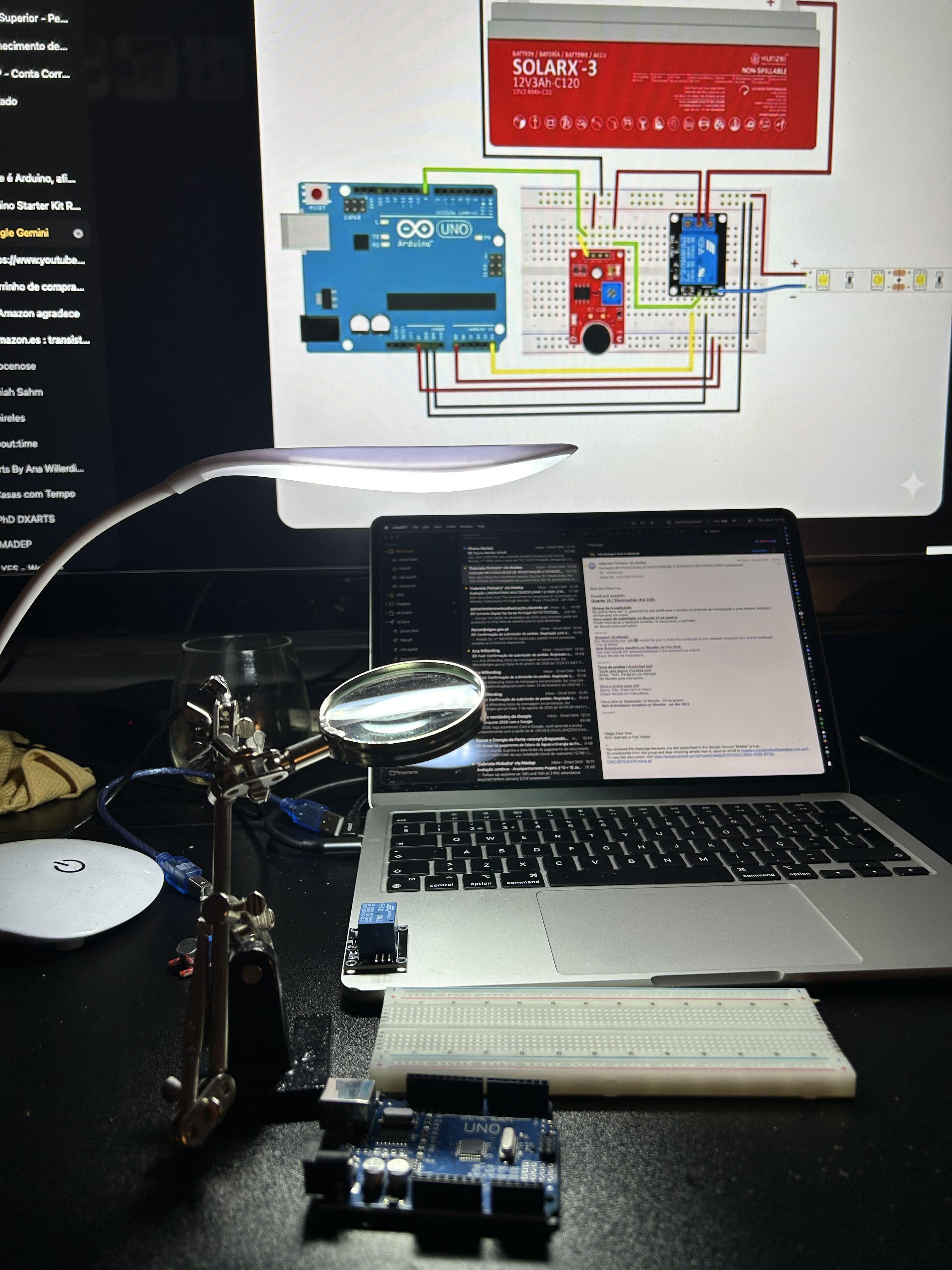
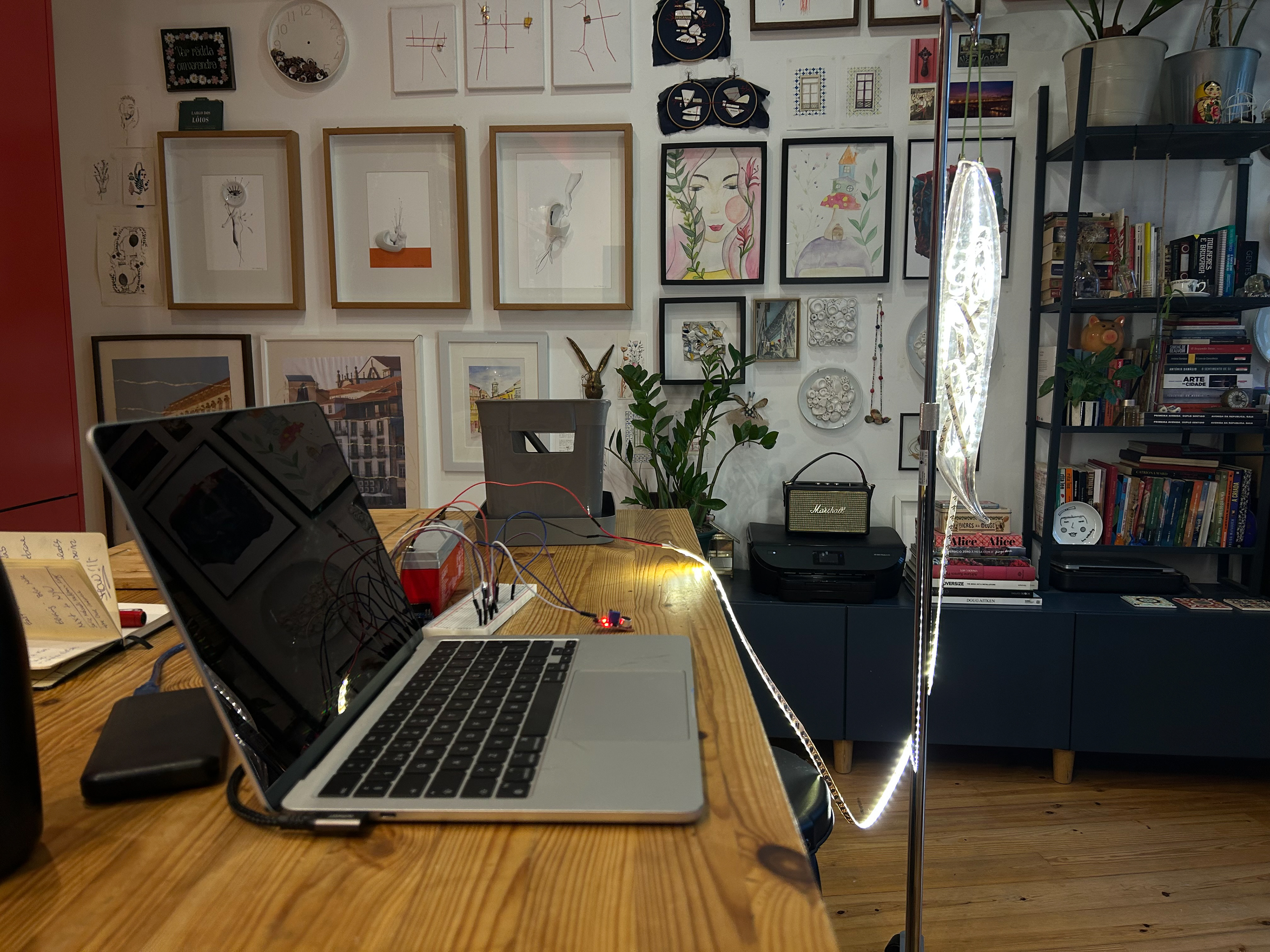
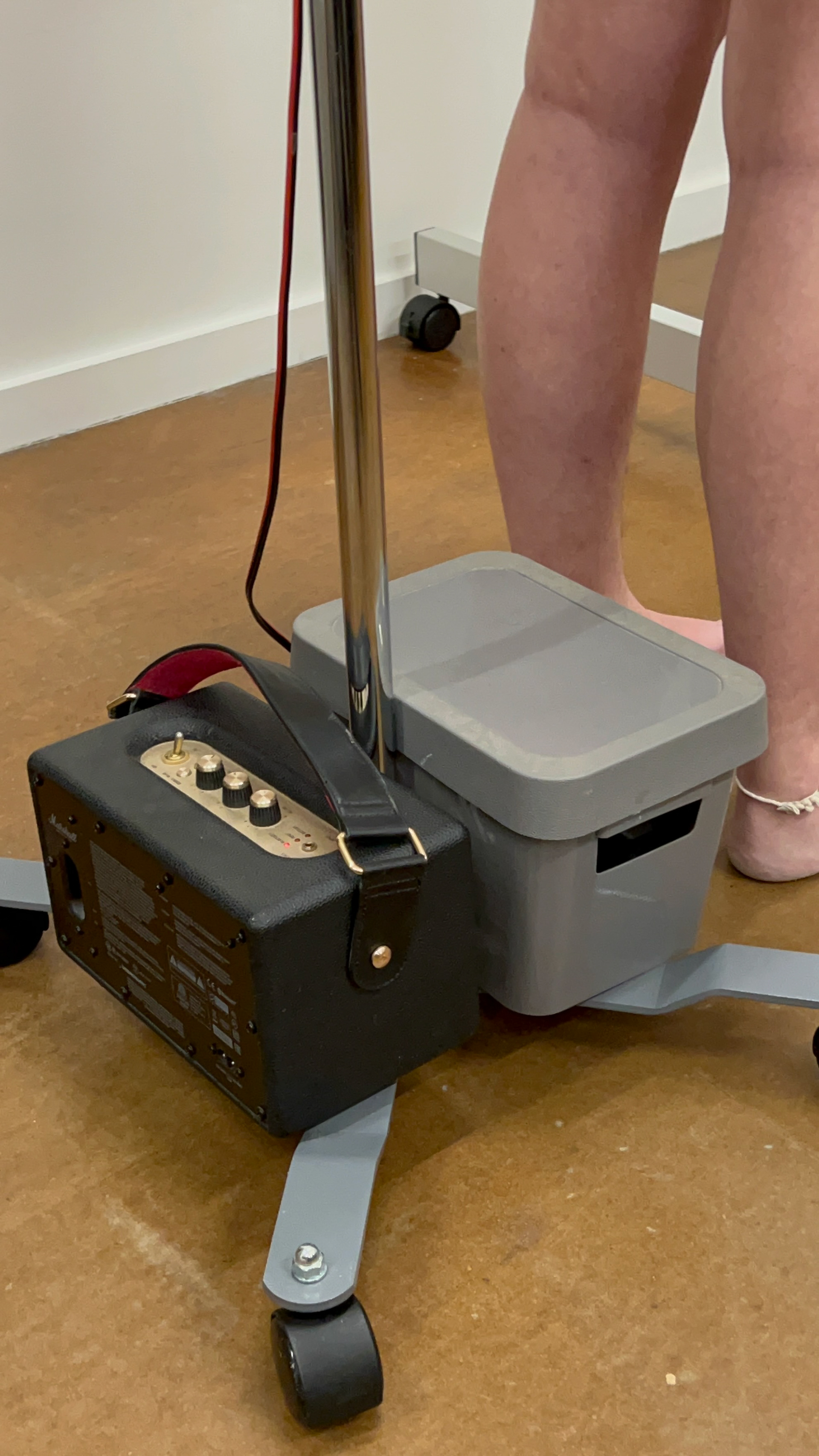
In this project I am responsible for developing the first functional prototype of the "Luminous Column" contained within the glass spine. Using Arduino and sound-sensing automation, I created a reactive system where the light serves as a metaphor for internal integrity. The LED strip within the glass fluctuates in response to external noise: the louder and more invasive the surrounding soundscape, the weaker the light becomes.
This technical apparatus lends a "scientific objectivism" to a subjective experience, using the language of measurement to validate and materialize the cognitive exhaustion and sensory overload that the "artist-body" endures. This prototype lays the groundwork for the project’s future phase, which will involve modulating light through real-time EEG (electroencephalogram) brainwaves.
TECHNICAL SHEET
Project: Atlas (ou Duplo) – Luminous Column
Artist/Researcher: Nara Rosetto (PhD Candidate – PDMD/FBAUP)
Technical Development & Automation: Daniel Sorrentino
Year: 2026 (Ongoing)
Technical Specifications:
System Architecture: Arduino-based real-time sound processing.
Interactivity: Sound-to-Light modulation (inverse proportionality: high decibels = low luminosity).
Hardware: Micro-controllers, high-sensitivity microphones, and addressable LED filaments integrated into a glass sculpture.
Conceptual Framework: Bio-art, invisible disability, sensory exhaustion, and the validation of subjective symptoms through technology.